Bleak House Broadstairs
The Museum, Hotel & Wedding Venue
PERMANENTLY CLOSED
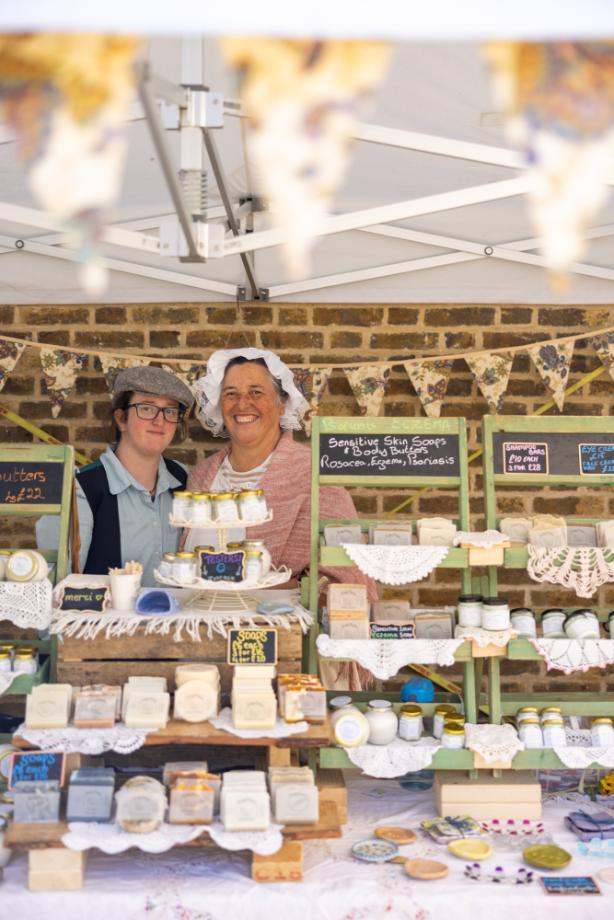
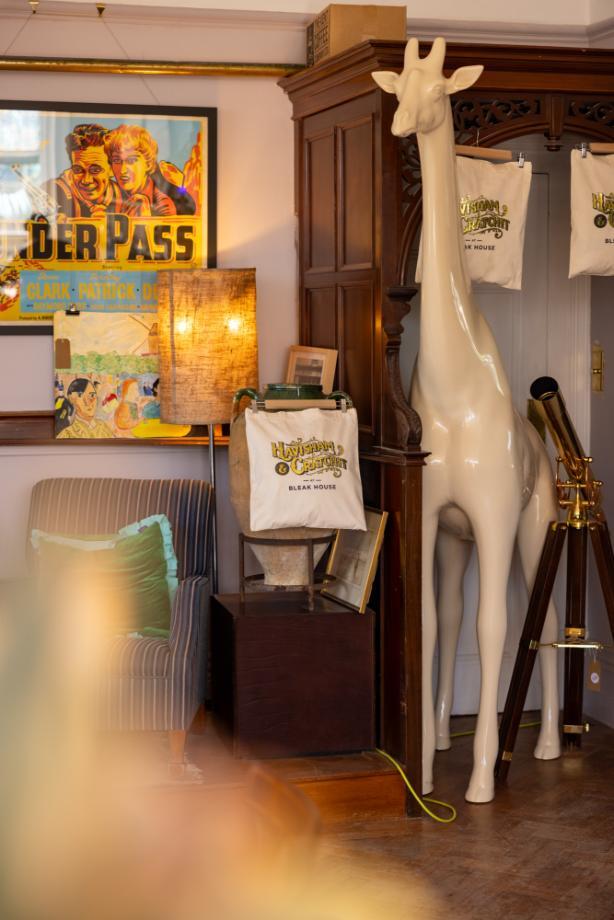
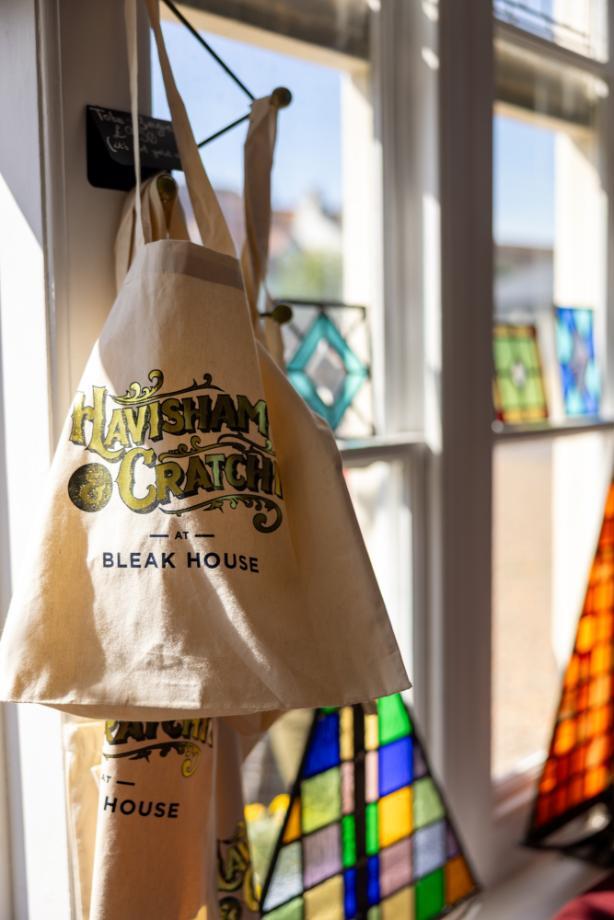
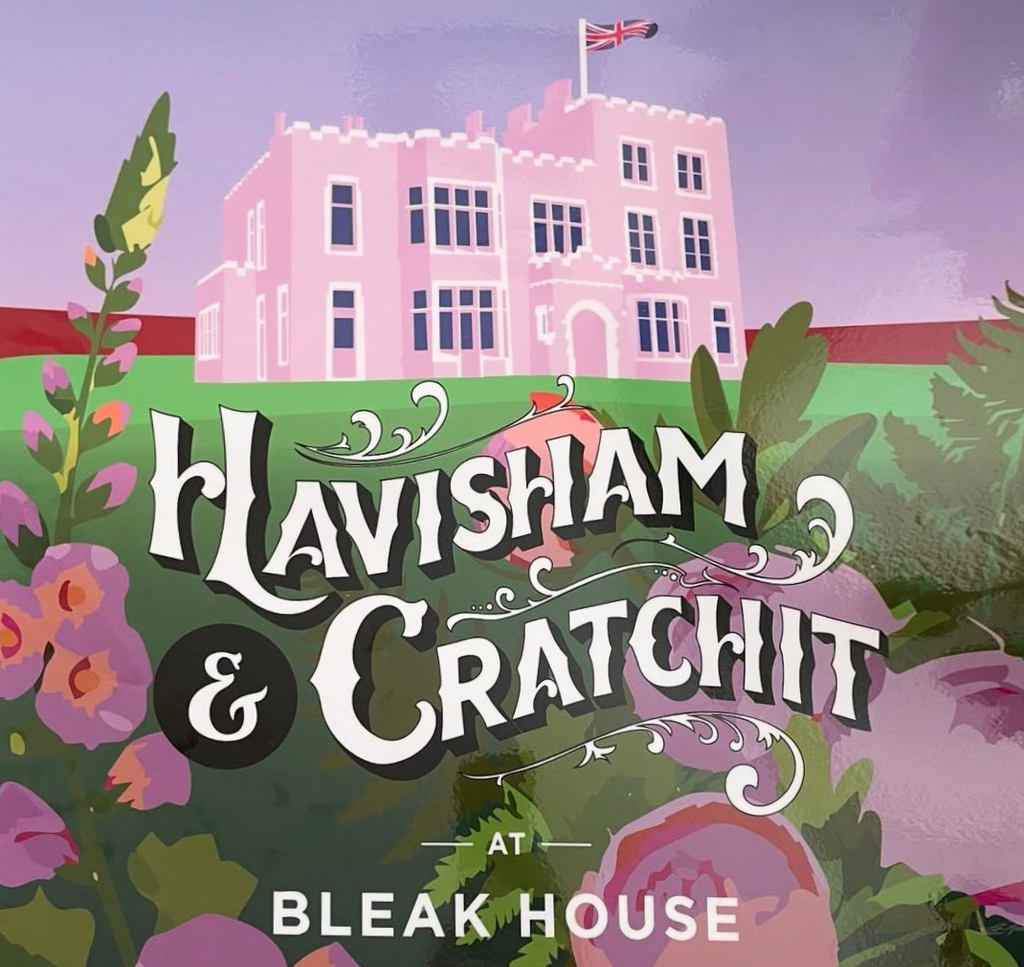
Havisham & Cratchit at Bleak House
Checkout the Havisham & Cratchit Website
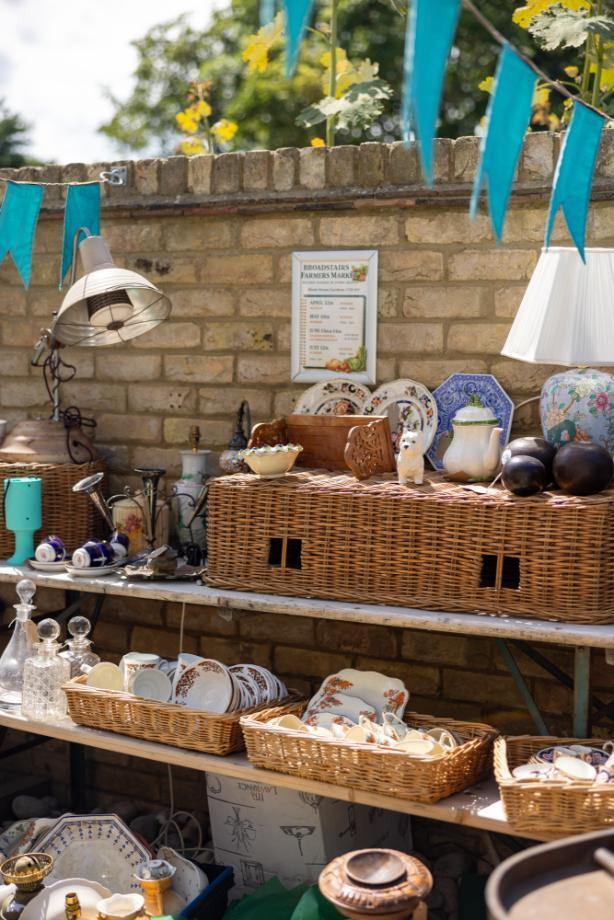
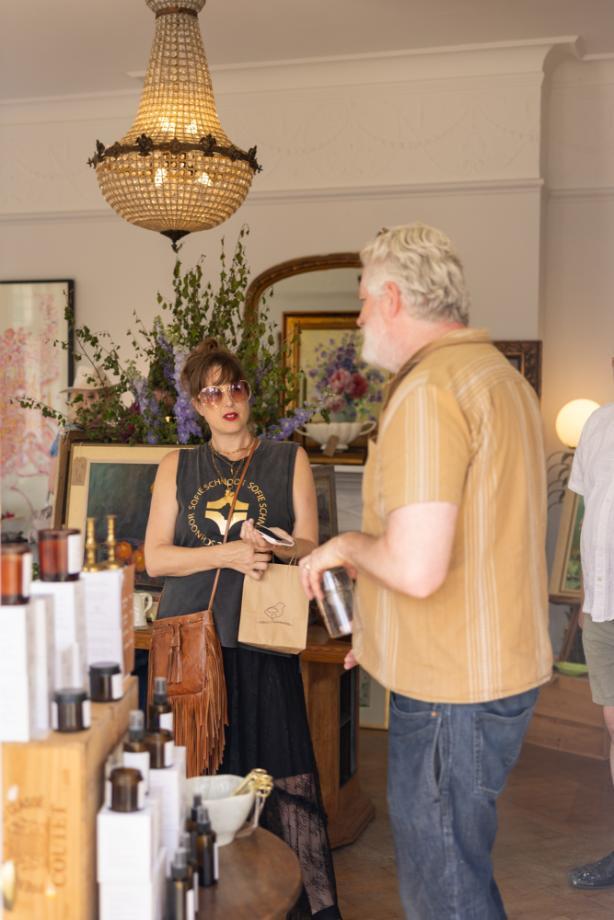
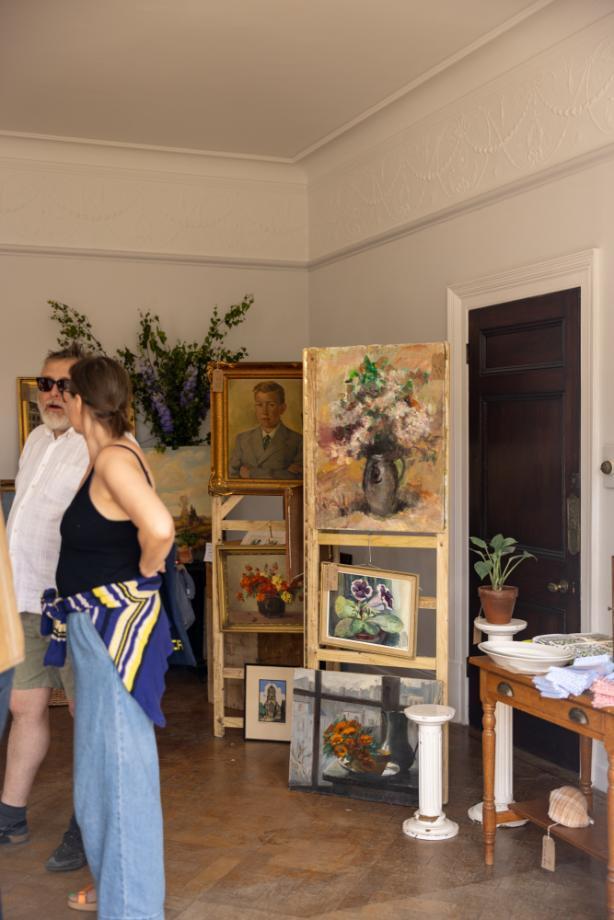
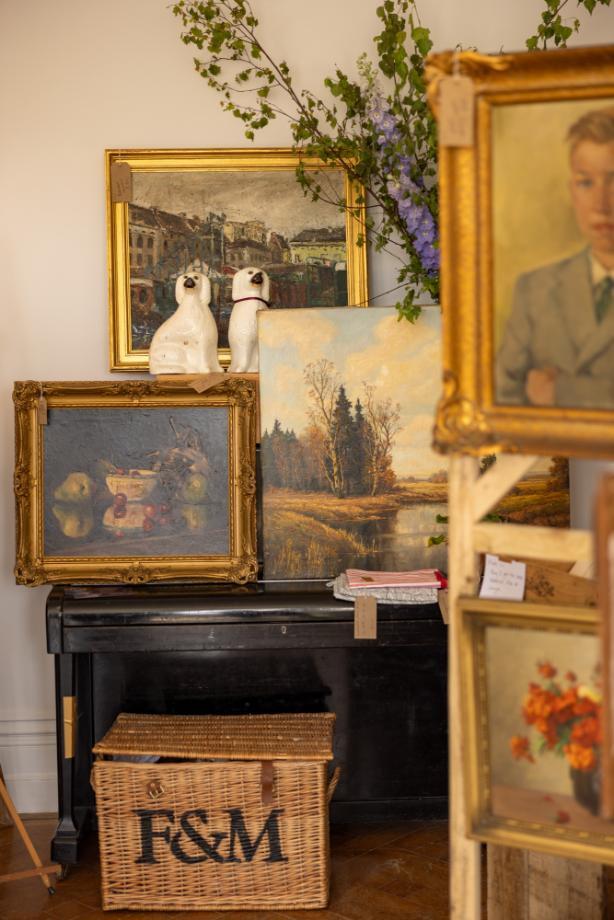
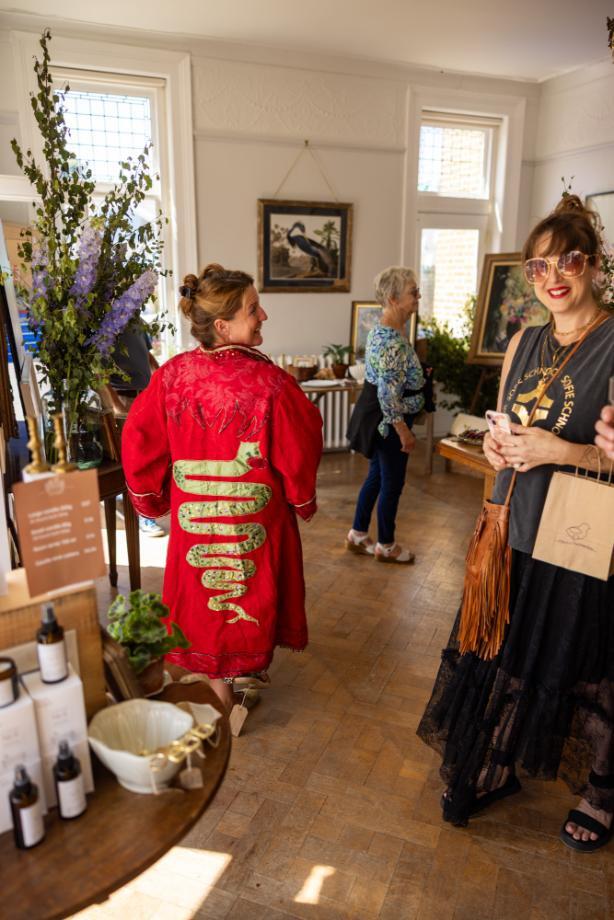
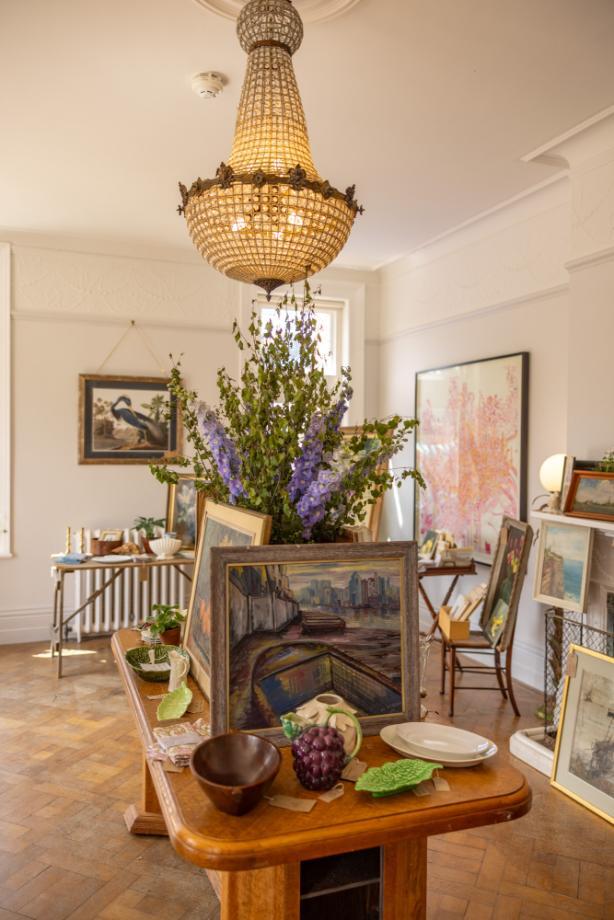
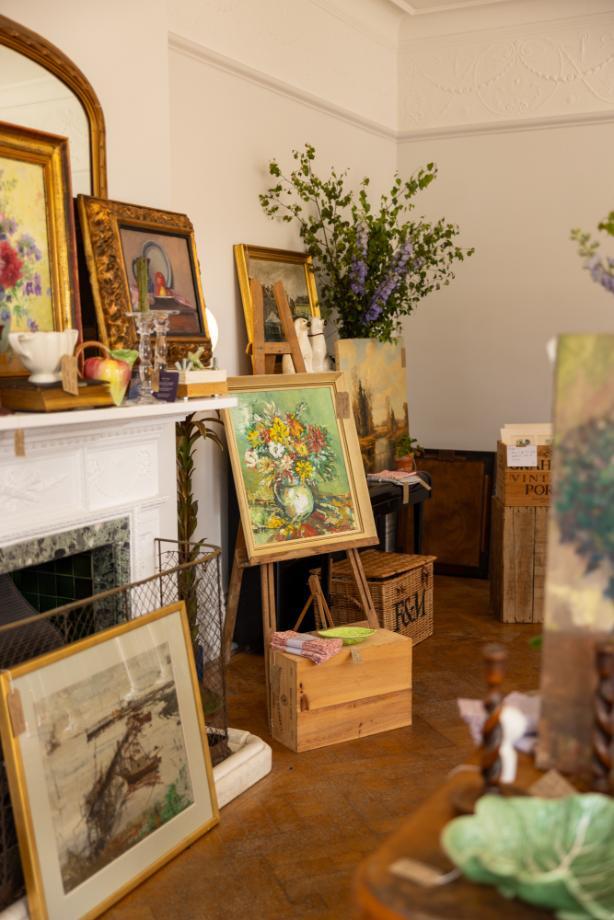
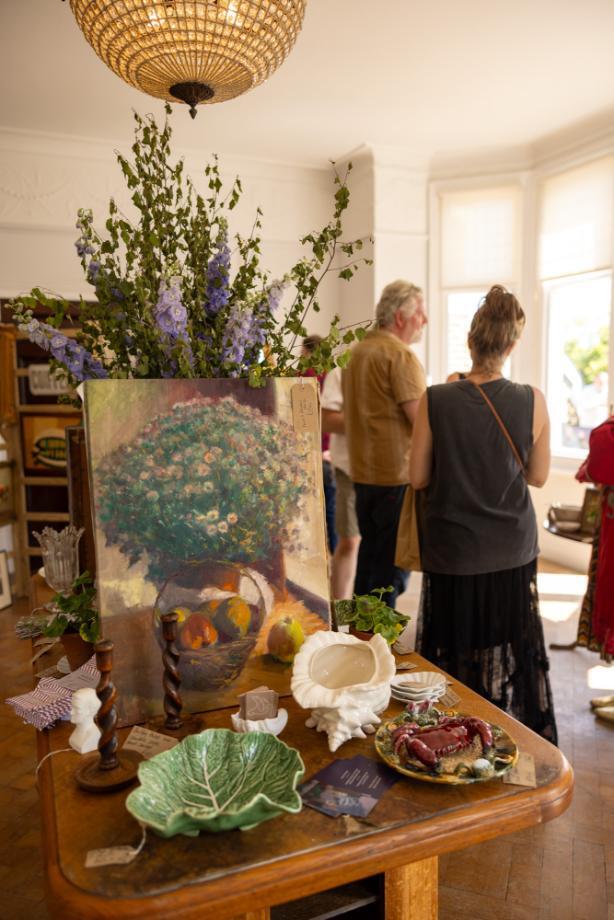
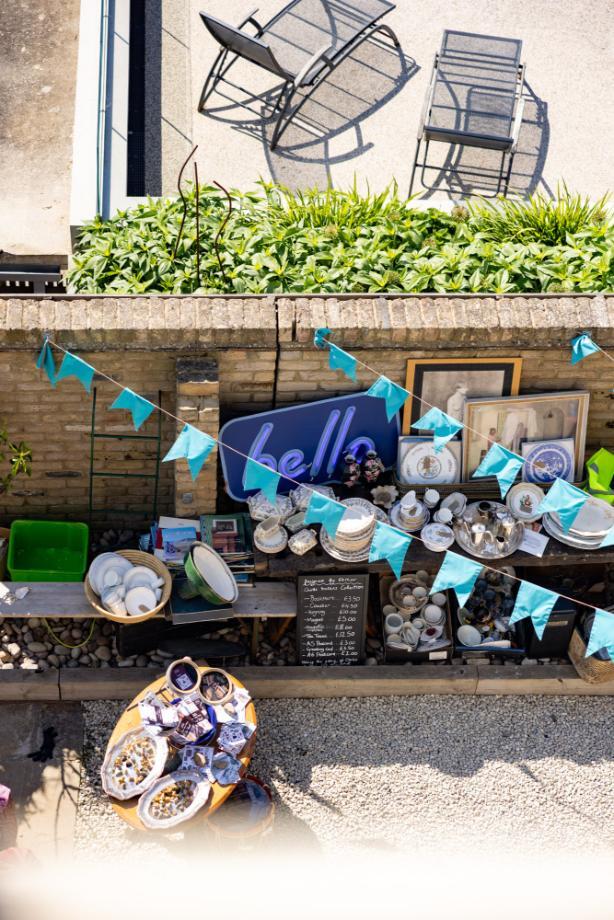
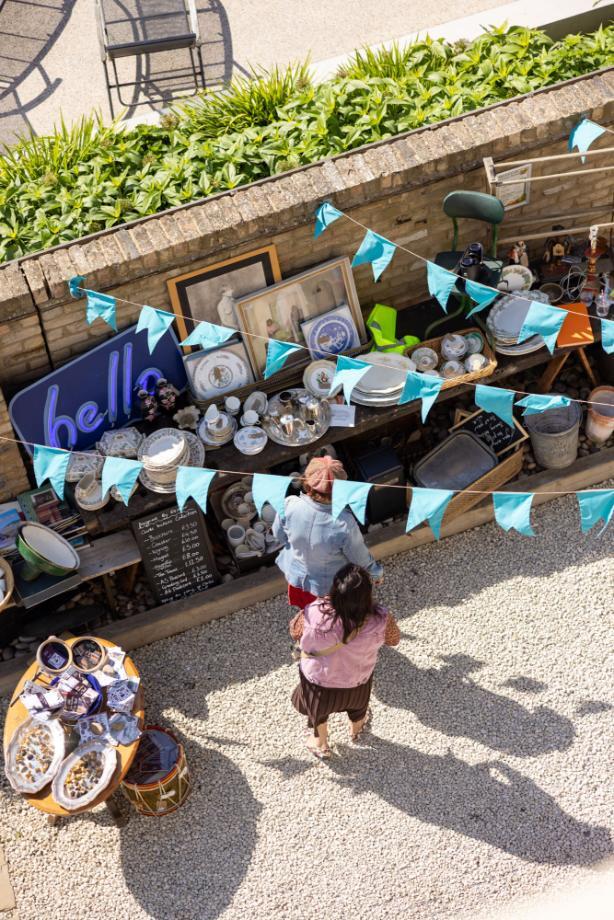
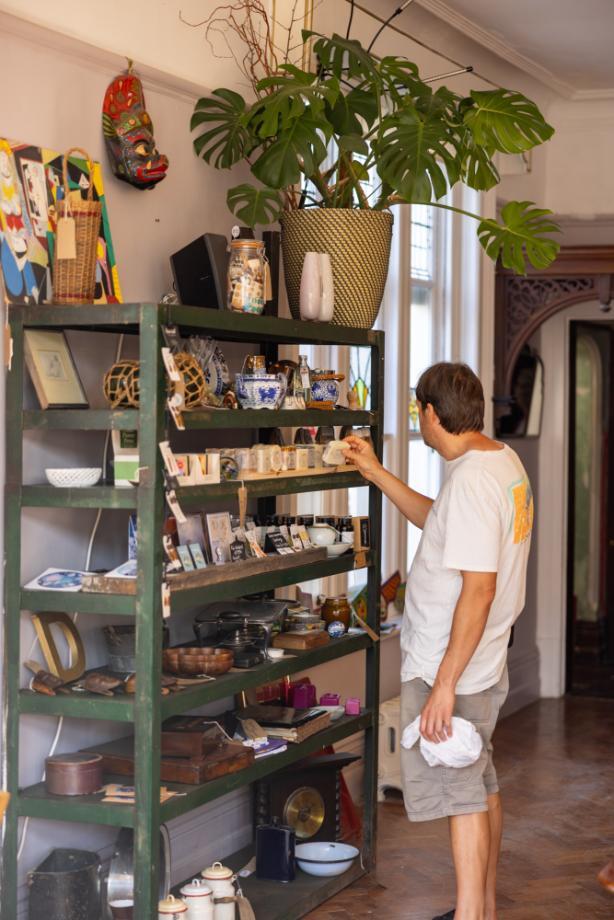
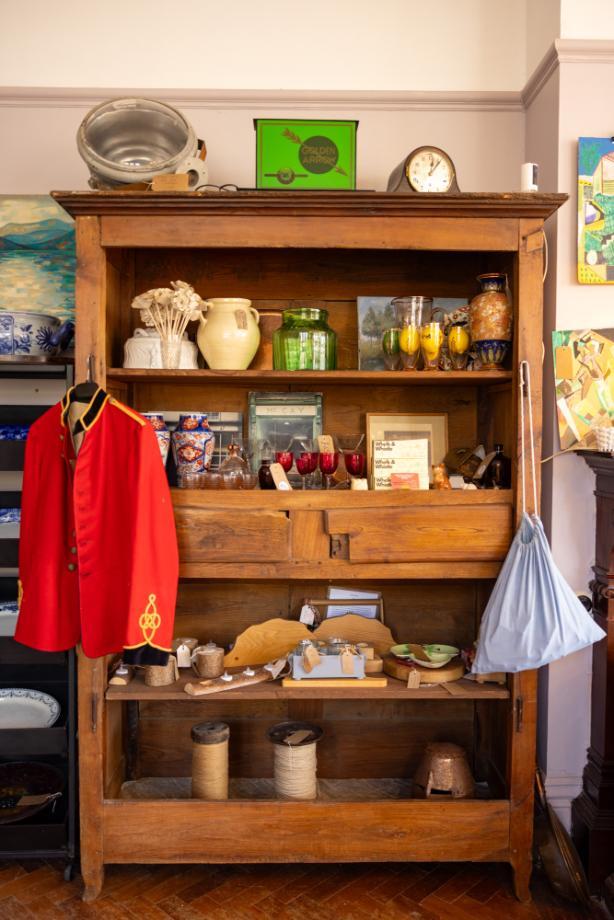
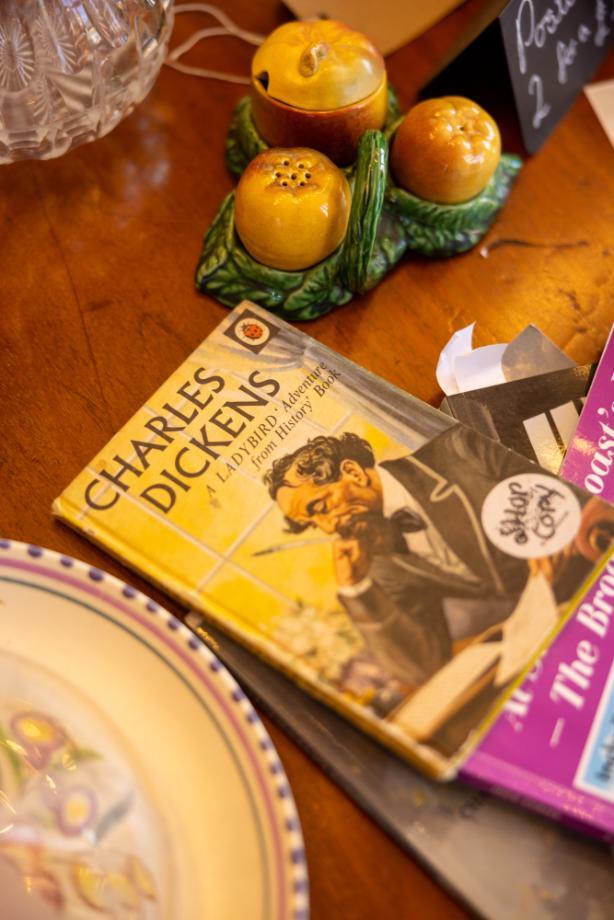
Havisham & Cratchit, a Coffee and Tea shop, Gifts, Antiques & Events
History of Bleak House
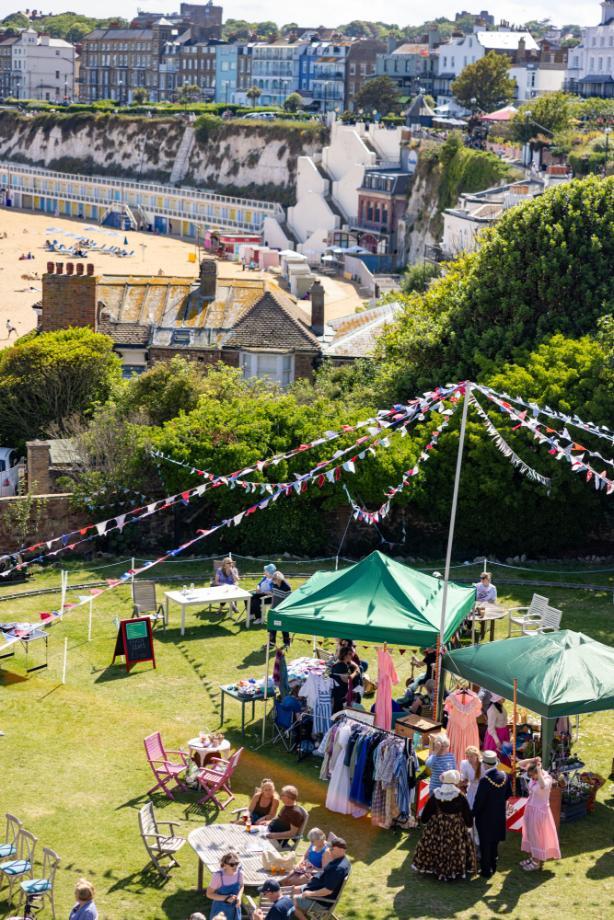
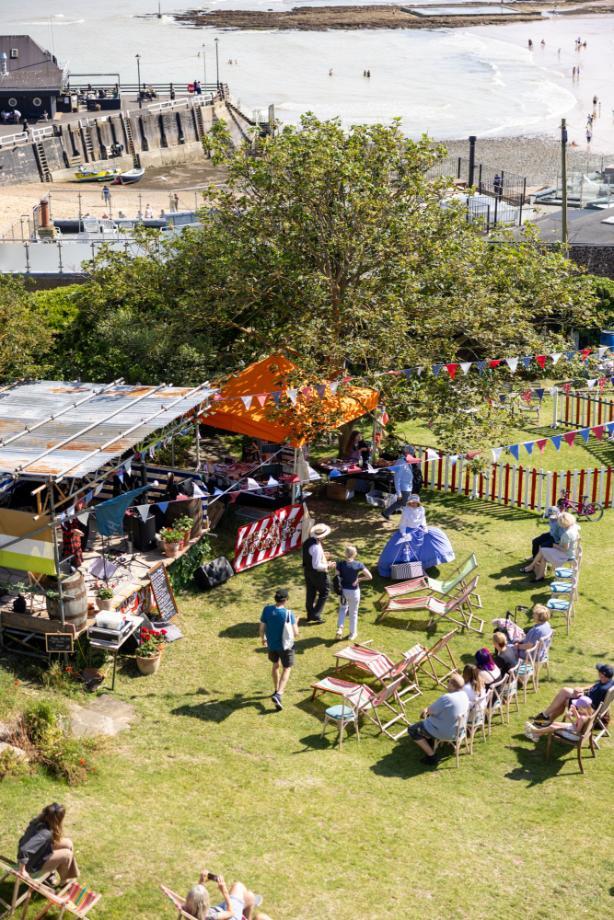
Perched above Viking Bay in Broadstairs, Bleak House is one of Thanet’s most distinctive historic buildings. Originally known as Fort House, it is celebrated for its clifftop setting, its association with Charles Dickens, and its later life as a landmark for visitors interested in literature, local history and the Kent coast.
1801: Construction as Fort House
Built around 1801, the house was originally known as Fort House. Its strategic position on the cliffs of Broadstairs gave it commanding views over the North Foreland and Viking Bay, reflecting its early role during the Napoleonic Wars as part of the area’s coastal watch and defence network.
1837–1859: The Dickens Connection
Charles Dickens first visited Broadstairs in 1837 and returned frequently over the following decades. Fort House became one of his favourite seaside retreats, often described as his “airy nest” above the harbour. During his time in Broadstairs, Dickens worked on several major writings, including parts of Nicholas Nickleby, Barnaby Rudge and, most famously, David Copperfield. His affection for the town was also captured in his essay Our English Watering Place, which helped preserve Broadstairs’ Victorian seaside charm in literary memory.
Early 20th Century: Expansion and Renaming
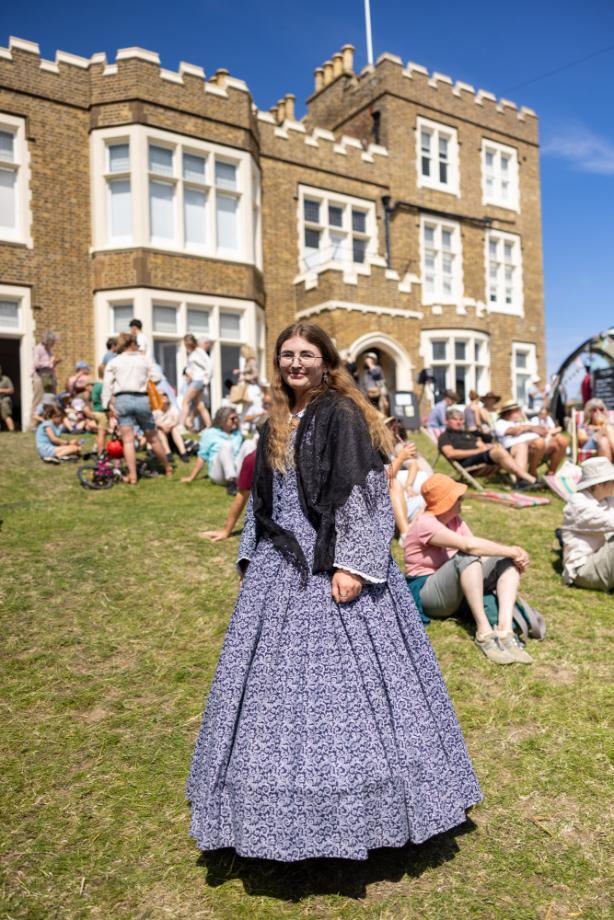
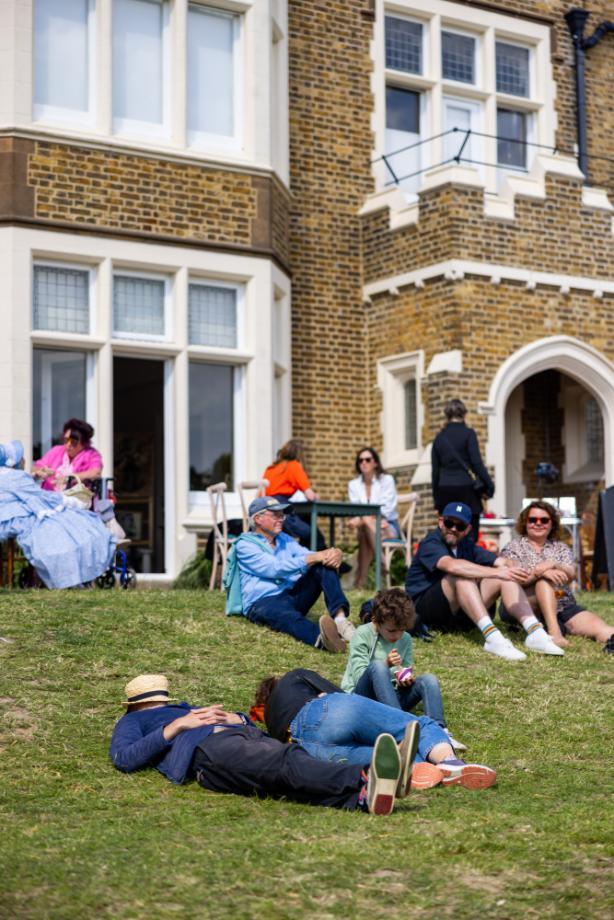
In the early 1900s, the house was substantially extended and refronted, creating the larger crenellated building seen today. Because of its strong association with Dickens, Fort House was later renamed Bleak House in reference to his celebrated novel, although the fictional Bleak House itself was not the Broadstairs property.
1940s–1980s: Museum and Heritage Era
For much of the 20th century, Bleak House welcomed visitors as a heritage attraction, with displays dedicated to Charles Dickens and the smuggling history of the Kent coast. The building’s Dickens associations, including his study and period features, helped make it a memorable stop for literary tourists and local history enthusiasts.
Present Day: A Broadstairs Landmark
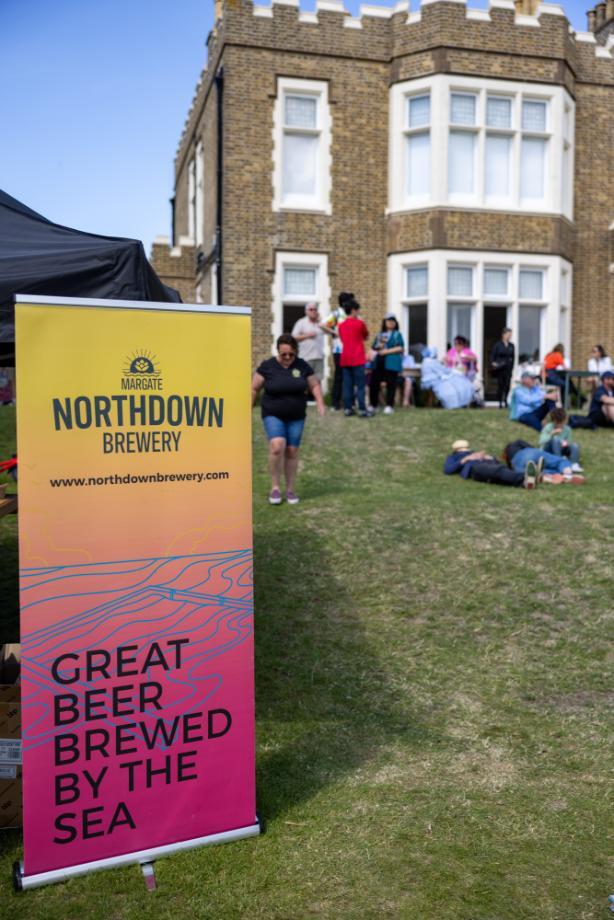
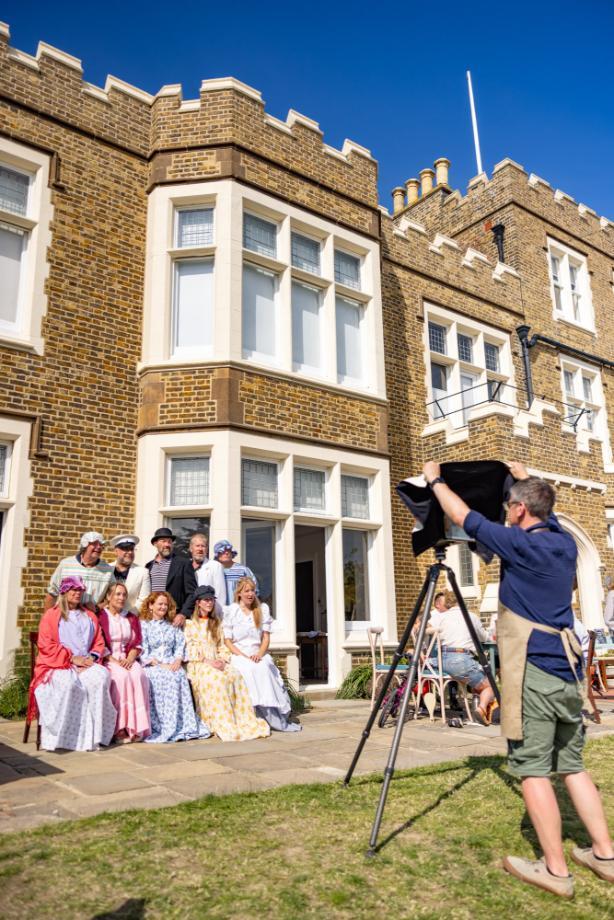
Today, Bleak House remains a Grade II listed landmark and one of Broadstairs’ most recognisable buildings. With its dramatic clifftop position, literary heritage and links to the town’s maritime past, it continues to form an important part of the area’s historic character.
Whether viewed from the seafront, visited as part of a Dickens-themed itinerary, or admired for its architecture, Bleak House offers a striking reminder of Broadstairs’ place in both coastal and literary history.